Top Benefits of Lego Building Blocks for Creative Development and Learning?
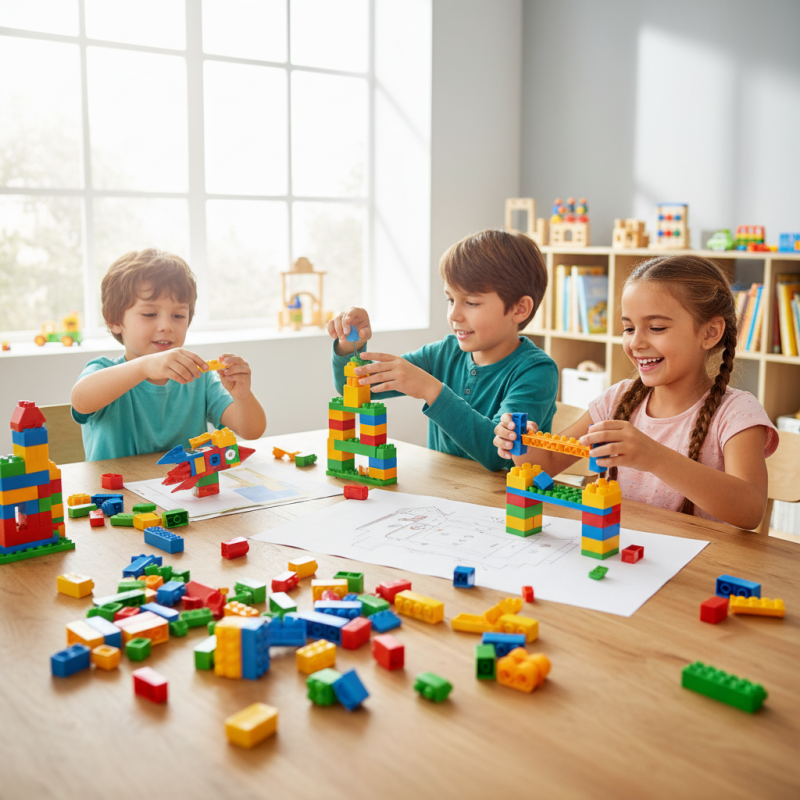
Lego Building Blocks have become a staple in creative development for children. These colorful bricks engage kids in imaginative play, sparking their creativity. When children build with Lego, they explore their ideas in a tangible way. Each piece offers a new opportunity for innovation.
The process of building with Lego Building Blocks fosters problem-solving skills. Kids learn to think critically as they figure out how to connect pieces. They may face challenges and frustrations, leading to valuable lessons in perseverance. Each failed attempt can inspire new strategies and ideas.
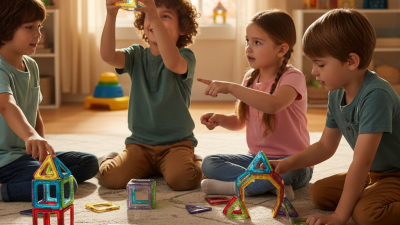
Through team play, children develop social skills. They share ideas and collaborate on projects. This interaction often reveals the imperfections in their designs but also highlights the beauty of teamwork. Lego Building Blocks not only stimulate creativity, but also nurture essential life skills that extend beyond playtime.
Benefits of Lego Building Blocks for Enhancing Creative Thinking
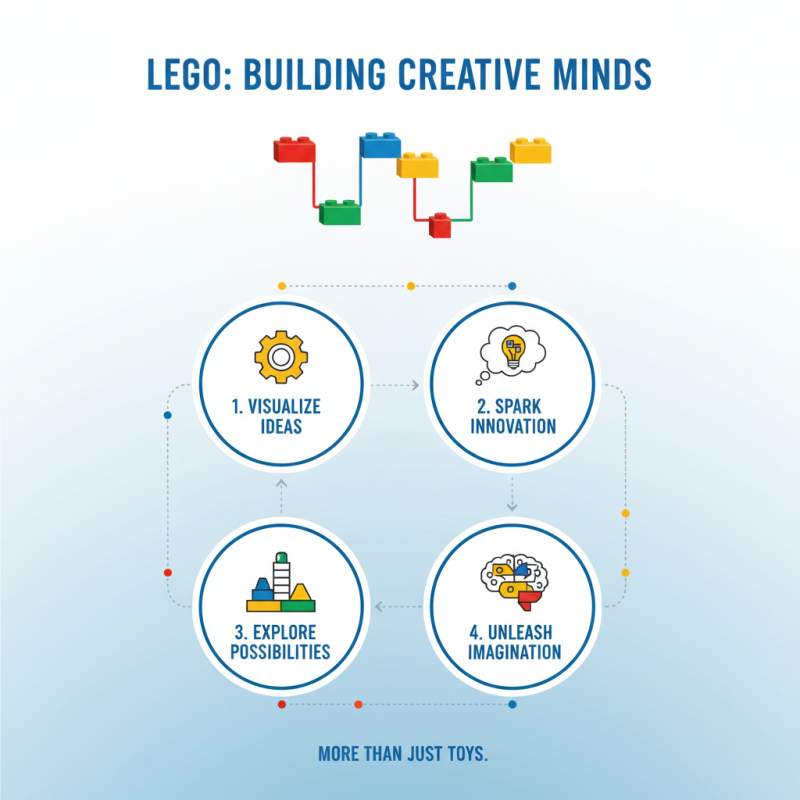
Lego building blocks are more than just toys. They are tools for enhancing creative thinking. When children engage with these colorful pieces, they unleash their imagination. Building with Lego encourages them to visualize ideas. Each block represents a possibility. The combination of shapes and colors sparks innovation.
Tips: Create open-ended challenges. Ask children to build a bridge or create an animal. This encourages them to think outside the box. Give them time to experiment without strict instructions. Let them fail and try again. It’s through mistakes that genuine creativity flourishes.
Playing with Lego helps kids learn problem-solving skills too. They must think about balance, structure, and design. Sometimes, the blocks don’t fit as intended. This can be frustrating. Yet, it teaches persistence and adaptability. Learning how to adjust their approach is invaluable. Encourage reflection on what works and what doesn’t. This nurtures critical thinking.
Tips: Encourage group projects. Collaboration can lead to new ideas and perspectives. Discuss different approaches during the building process. Ask open-ended questions to stimulate conversation. This develops communication skills along with creativity. Remember, the process of building is just as important as the final creation.
Fostering Problem-Solving Skills through Lego Play
Lego play significantly enhances problem-solving skills. Children engage in hands-on activities that spark creativity. Research shows that active play can improve cognitive abilities. A study indicated that 73% of children who regularly played with building blocks demonstrated better critical thinking skills. This kind of play fosters resilience, as children learn to overcome obstacles during their construction projects.
When building with blocks, kids often face challenges. Sometimes, a structure collapses unexpectedly. This moment can be frustrating. However, it also pushes them to analyze their designs. They learn to experiment with new techniques or materials. A survey found that 85% of educators believe that building activities promote logical reasoning. Children develop a growth mindset through troubleshooting and iterating on their designs.
Exploring various solutions is part of the process. Not every structure will stand the test of time. Failure is often part of the journey. Kids learn to reflect on what went wrong. They ask themselves questions and adapt their plans. This iterative process is crucial for their development. It shows that learning can come from mistakes. Embracing imperfections leads to innovative thinking and better problem-solving capabilities.
Promoting Fine Motor Skills with Lego Construction
Building with Lego blocks is more than just fun; it's a powerful tool for developing fine motor skills in children. Studies show that fine motor skills are crucial for tasks like writing and using utensils. Lego construction helps strengthen hand-eye coordination and dexterity. Children grasp, twist, and connect the blocks, which enhances their finger strength and control. A report by the American Occupational Therapy Association indicates that children who engage in activities like building tend to have better fine motor skills.
As children build complex structures, they face challenges that require patience and problem-solving. They learn to manipulate pieces in various ways, promoting exploration and creativity. Research from the University of Maryland shows that hands-on activities improve cognitive development. Children are more engaged when they physically create something. They develop spatial awareness, crucial for future skills in science, technology, engineering, and math.
However, it's important to note that not all children thrive in this environment. Some may initially struggle with coordination. They may feel frustrated when pieces don’t connect as expected. This aspect of reflective learning can lead to growth. Encouraging perseverance while building can help them overcome these challenges. Overall, the act of constructing with Lego offers valuable lessons and practical skills.
Encouraging Collaboration and Social Interaction in Group Projects
Building with blocks fosters collaboration. In group settings, children learn to share ideas. They discuss their designs and negotiate changes. This interaction sparks creativity. Working together, they solve problems. They learn to appreciate diverse perspectives.
During these projects, conflicts can arise. Some children may feel their ideas are overlooked. Others might clamor for attention. These moments can be challenging. They provide opportunities for reflection. Kids learn to listen and communicate. The process teaches resilience and compromise.
As they construct their models, collaboration becomes key. Group dynamics unfold naturally. Team members celebrate small victories together. They experience the joy of creation. Even when things don't go as planned, they adapt. Each challenge enhances their ability to work together.
Integrating STEM Education through Lego Building Activities
Building with blocks offers a fun way to explore STEM concepts. Students engage in hands-on activities that promote problem-solving. They create structures while learning basic engineering principles. The iterative process of building and rebuilding leads to discovery and innovation. Mistakes happen, and that’s part of learning. A tower may collapse, but it teaches resilience.
These activities spark interest in science, technology, engineering, and math. Kids measure, test stability, and calculate weight distribution. They experience physics firsthand, making concepts stick. Engaging in collaborative projects enhances teamwork. However, not every group dynamic is perfect. Conflicts might arise, but resolving them is a key part of the process.
Using building blocks is not just about making. It's about thinking differently too. Children learn to ask questions. Why does this piece fit here? How can I make it stronger? This exploration fuels creativity. Some may find it challenging to visualize concepts, but practice helps. Over time, they develop spatial awareness and critical thinking skills. Each block lays a foundation for lifelong learning.
Top Benefits of Lego Building Blocks for Creative Development and Learning
The chart above illustrates the top benefits of using Lego building blocks for creative development and learning. It highlights key areas such as creativity, problem-solving, collaboration, fine motor skills, and STEM learning, showcasing high levels of engagement and effectiveness in these dimensions.