What are Light Up Magnetic Blocks and How Do They Work?
Light Up Magnetic Blocks are an innovative and engaging way to explore basic principles of physics and creativity. These colorful blocks not only connect magnetically, but they also light up, providing a stimulating visual experience. Children and adults alike can build structures while observing the interplay of light and color.
These blocks are designed for hands-on learning. They encourage problem-solving and imaginative play. As users connect pieces, they may marvel at how the lights illuminate when adjacent blocks come together. This interaction sparks curiosity about magnetism and light.
While many find joy in using Light Up Magnetic Blocks, some may feel frustrated with complex designs. It's essential to embrace the learning process, as not all creations will work on the first try. Reflecting on these challenges can deepen understanding and enhance creativity. Ultimately, these blocks serve as a fun educational tool that blends artistry with science.
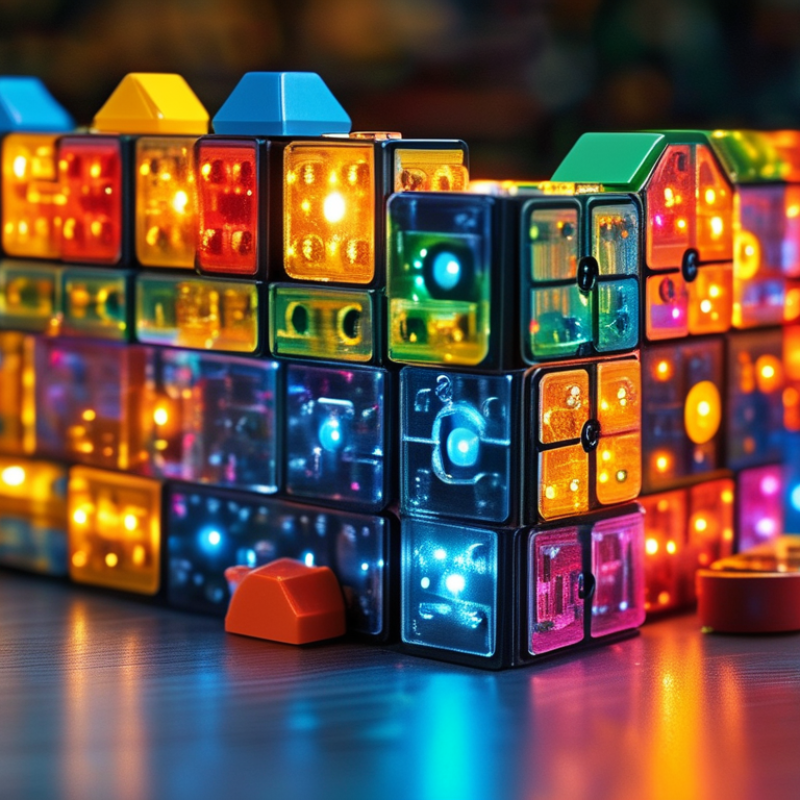
What Are Light Up Magnetic Blocks?
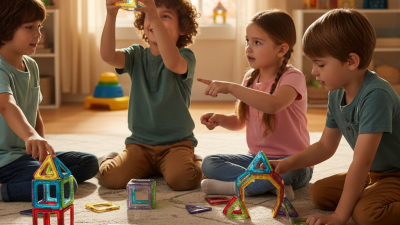
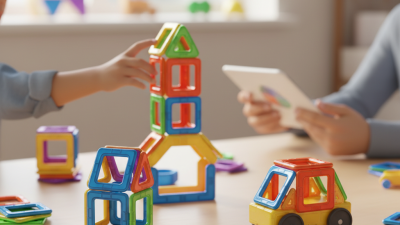
Light Up Magnetic Blocks are captivating toys that combine creativity with learning. These blocks feature built-in LED lights that illuminate when connected. This visual appeal not only sparks children's imagination but also enhances their spatial awareness and problem-solving skills. Each block has magnets embedded in its edges, allowing for a stable connection. When children build structures, the blocks light up, creating a vibrant display.
These blocks invite exploration and experimentation. Kids can create different shapes, from simple structures to complex designs. As they play, they learn about magnetism and geometry in a hands-on way. The glowing lights encourage teamwork when kids collaborate on larger projects. However, ensuring safety with small parts is crucial. Parents should supervise younger kids during playtime.
While these toys are engaging, they come with some challenges. Sometimes the magnets may lose strength, leading to unstable structures. This can be frustrating but provides a chance to rethink designs. Adjusting the blocks and experimenting can lead to creative solutions. The dynamic nature of Light Up Magnetic Blocks makes them an exciting educational tool with room for improvement.
The Composition and Features of Light Up Magnetic Blocks
Light Up Magnetic Blocks are becoming popular educational tools for children and adults alike. These innovative blocks combine colorful lights with strong magnets, creating a unique play experience. The blocks are made from high-quality plastic and are designed to be safe and durable. They encourage creativity and imagination. Most sets feature various shapes, which can be combined in endless configurations. Reports show that play with such blocks enhances spatial reasoning skills, essential for STEM learning.
The lighting feature sets these blocks apart. They often use LED technology, making them energy-efficient and vibrant. Research indicates that visual stimulation is important for cognitive development. A study published by the NATIONAL ASSOCIATION FOR THE EDUCATION OF YOUNG CHILDREN suggests that children develop better problem-solving skills when engaging with interactive toys. Moreover, the magnetic connection promotes fine motor skills as users create structures. However, not every child may feel comfortable using magnets. Some may find them frustrating at first, leading to a need for guidance from adults.
While the concept of Light Up Magnetic Blocks is compelling, challenges exist. Parents sometimes notice that these toys can lead to distraction. Children may focus more on the lights than on building. It’s crucial to balance playtime with guidance and structure to maximize the benefits of such toys. As with any educational tool, supervision and engagement can significantly enhance the learning experience, but consistency in interaction remains key for success.
How Light Up Magnetic Blocks Generate Light
Light Up Magnetic Blocks are innovative toys that combine construction fun with engaging visual effects. These blocks use integrated LED lights, providing a captivating building experience. When the blocks are connected, the magnetic circuits close, activating the lights. This interaction sparks creativity, stimulating both imagination and coordination in young builders.
According to recent studies by the Toy Association, nearly 85% of children benefit from active play, which enhances cognitive and motor skills. The glowing lights not only make playtime exciting, but also encourage children to explore concepts of light and magnetism. Engaging with these blocks can promote STEM learning, helping kids grasp complex ideas in a hands-on way.
However, it is crucial to question the impact of technology on play. While light-up features are engaging, they may distract from traditional imaginative play. Balancing screen time and tech-enhanced toys like these is essential for healthy development. Parents should ensure a range of play experiences to foster creativity fully. Light Up Magnetic Blocks offer a unique experience, but reflection on their use is necessary for optimal developmental benefits.
What are Light Up Magnetic Blocks and How Do They Work?
| Dimension |
Description |
| Material |
Non-toxic ABS plastic |
| Magnet Type |
Strong neodymium magnets |
| Lighting Technology |
LED lights powered by batteries |
| Sizes Available |
Various shapes including triangles, squares, and rectangles |
| Power Source |
Rechargeable batteries or replaceable batteries |
| Color Options |
Multiple color options available with light-up feature |
| Educational Benefits |
Enhances creativity, problem-solving skills, and spatial awareness |
| Recommended Age |
3 years and up |
Principles of Magnetism in Light Up Magnetic Blocks
Light Up Magnetic Blocks are educational toys that utilize principles of magnetism to create engaging learning experiences for children. These blocks contain built-in LED lights that illuminate when they are connected. Understanding how these magnetic blocks work involves grasping the fundamental laws of magnetism.
The principle of magnetism stems from the alignment of magnetic domains. When two blocks connect, their magnets create a secure hold, allowing for creative designs. According to a recent report by the Toy Association, magnetic toys account for over 20% of the STEM (Science, Technology, Engineering, Mathematics) toy market. This data underscores the growing interest in interactive learning tools that foster both creativity and critical thinking.
Tips: Always supervise play sessions, as small parts may pose risks. Encourage children to experiment with different shapes and structures. Exploration can lead to unexpected discoveries, promoting problem-solving skills. A reflection on challenges faced during play can also enhance understanding of magnetic properties, allowing children to learn from both success and failure. Experimentation invites questions, leading to deeper comprehension of the science behind these captivating toys.
Understanding the Distribution of Magnetic Properties in Light Up Magnetic Blocks
Creative Uses and Benefits of Light Up Magnetic Blocks
Light Up Magnetic Blocks have gained popularity for their vibrant colors and interactive designs. These blocks combine traditional magnetic play with LED lights, offering a unique experience. Children can create various structures that glow beautifully, enhancing their creative play.
Using these blocks encourages imaginative thinking. Kids can build anything from simple shapes to complex structures. The glowing effect adds an exciting dimension to their creations. This can spark interest in engineering concepts. It also promotes fine motor skills as children connect and disconnect the blocks easily.
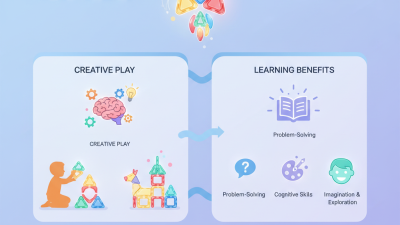
Educational benefits are evident. Light Up Magnetic Blocks can teach basic principles of magnetism and light. They inspire curiosity and exploration. While engaging, they can sometimes produce frustration if blocks do not connect as expected. However, this struggle often leads to problem-solving opportunities. Finding solutions can be rewarding and boosts persistence. Embracing these challenges can deepen the learning experience.