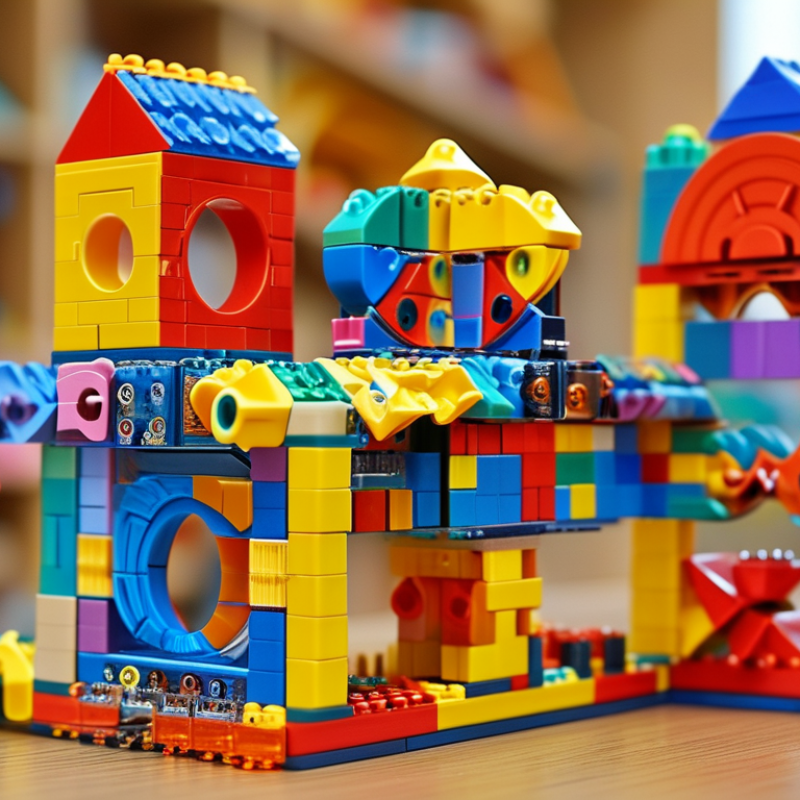
What is Magic Blocks Magnetic and How Do They Work?
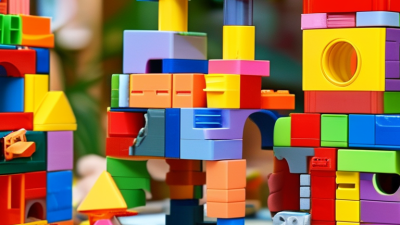
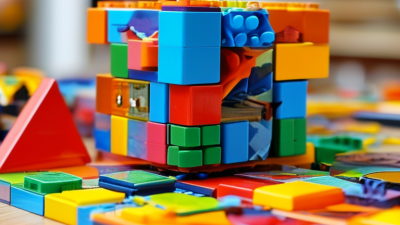
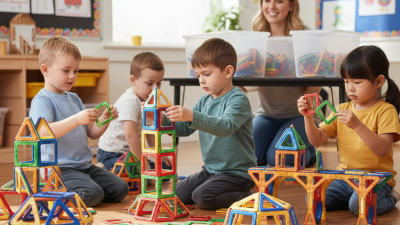
Magic Blocks Magnetic are innovative toys that inspire creativity and learning. These magnetic blocks come in various shapes and colors. They attract children and adults alike, promoting imaginative play. The unique magnetic feature allows users to easily connect and disconnect blocks, making construction simple.
Through play, users develop spatial awareness and problem-solving skills. Children learn about shapes while creating structures. However, some may find it challenging to create complex designs initially. This encourages perseverance and critical thinking.
The versatility of Magic Blocks Magnetic lasts beyond basic play. They can be used in educational settings to teach geometry or physics. Parents and educators appreciate their value in fostering both fun and learning. These blocks invite endless possibilities, but they require guidance for effective use. The journey with Magic Blocks Magnetic is enriching, though not without its hurdles.
What Are Magic Blocks Magnetic?
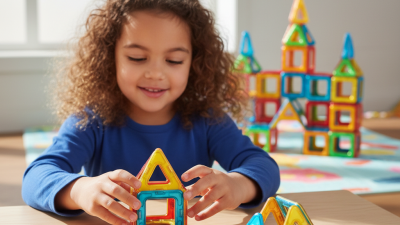
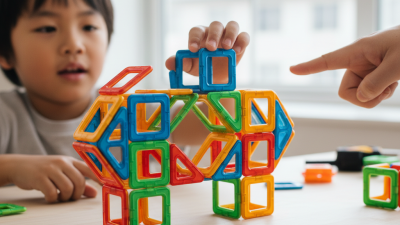
Magic Blocks Magnetic are a fascinating form of educational toys designed to inspire creativity and learning. Composed of vibrant, interlocking pieces, these blocks attract and connect through strong magnets. This unique feature allows children and adults to build diverse structures and shapes. Users can construct anything from simple squares to complex 3D figures. The sensory experience of clicking pieces together is captivating, making it both fun and engaging.
These blocks are not just toys; they are tools for cognitive development. Using Magic Blocks promotes spatial skills and problem-solving abilities. Children learn about balance, symmetry, and structural integrity as they play. However, while they seem intuitive, some users may struggle initially with more complex designs. Reflecting on these challenges can lead to improved skills and creativity. Children often get frustrated, yet perseverance can transform confusion into accomplishment. This journey through trial and error fosters resilience and critical thinking.
Usage of Magic Blocks Magnetic by Age Group
This chart illustrates the frequency of usage of Magic Blocks Magnetic toys among different age groups on a weekly basis. The data shows that the youngest age group engages with the toys most frequently, indicating higher popularity among toddlers.
The History and Evolution of Magnetic Building Blocks
Magnetic building blocks have captivated children and adults alike for decades. Originally, these toys emerged in the late 20th century, pivoting from traditional construction sets. In the beginning, they featured simple magnets and basic shapes. Over time, designers recognized the potential for creativity and learning. They began enhancing the materials and magnet strength, allowing for more intricate designs.
The evolution of these blocks has paralleled advancements in educational trends. Educators embraced them for their hands-on approach to STEM learning. Children engage with concepts in physics and geometry while having fun. However, not all designs are perfect; some may lack durability or safety features. These shortcomings prompt continuous improvement in the industry.
Moreover, the rise of digital learning has influenced magnetic blocks. Integrations with apps and online platforms are becoming common. Yet, this blend raises questions about balance. How much screen time is too much? Parents and educators must navigate these changes thoughtfully. As magnetic building blocks continue to evolve, they create a blend of innovation and tradition, inviting reflection on their role in childhood development.
How Do Magnetic Blocks Function?
Magnetic blocks captivate children and adults alike. These toys use magnets embedded in plastic shapes. The attraction and repulsion between magnets create endless possibilities for construction. Children can build 3D structures with ease and creativity. The blocks snap together easily, which encourages playful exploration and imaginative thinking.
Understanding how these blocks function is crucial. Each block contains magnets that give strong connections. A child can build tall towers or complex designs without falling apart. This magnetic power allows for unique configurations. It's fascinating to see how one shape can transform with a simple movement.
When playing, keep in mind these tips. Encourage children to experiment with different arrangements. Some shapes might not hold well together. Trials and errors can lead to unexpected discoveries. Let them reflect on their creations. What worked? What didn’t? This reflective process nurtures problem-solving skills.
Creating with magnetic blocks isn't just fun. It strengthens fine motor skills and spatial awareness. Children learn about balance and structure naturally. Regular playtime fosters teamwork as well. Children often collaborate, sharing ideas and materials. It’s this collaborative spirit that can lead to new insights and learning experiences.
What is Magic Blocks Magnetic and How Do They Work?
| Feature |
Description |
Benefits |
Usage |
| Material |
High-quality plastic with embedded magnets |
Durable and safe for children |
Used for educational toys |
| Magnet Type |
Neodymium magnets |
Strong attraction allows for stable structures |
Facilitates creative building |
| Shapes |
Variety of geometric shapes |
Encourages spatial awareness and creativity |
Suitable for various building designs |
| Age Range |
3 years and up |
Safe and engaging for young children |
Used in homes and classrooms |
| Educational Value |
Teaches basic physics, engineering, and creativity |
Promotes STEM learning |
Ideal for hands-on learning activities |
Benefits of Using Magic Magnetic Blocks for Learning
Magic Blocks are a fascinating tool for learning. These colorful magnetic building blocks engage children in hands-on play. They encourage creativity and imagination while also promoting critical thinking skills.
Using Magic Blocks can significantly benefit cognitive development. Children learn to solve problems as they figure out how to connect different pieces. They also develop spatial awareness, which is crucial for their reasoning skills. Additionally, playing with these blocks enhances fine motor skills. Children refine their hand-eye coordination as they manipulate the pieces.
However, not all experiences with Magic Blocks are perfect. Some children may struggle with frustration when a structure collapses. This can lead to a learning moment about perseverance. Reflecting on these challenges helps children understand the value of trying again. Overall, Magic Blocks are more than just toys; they are educational tools that support growth in various developmental areas.
Safety Considerations for Magic Blocks Magnetic
When considering Magic Blocks Magnetic, safety is a critical factor. These educational toys offer tremendous creative opportunities but can also pose risks. A report by the American Academy of Pediatrics states that magnetic toys have been linked to serious injuries in children, particularly if they are ingested. Small, powerful magnets can cause significant internal damage, necessitating medical intervention for ingestion cases.
The design of Magic Blocks Magnetic often includes small magnets encased within colorful pieces. However, the concern arises when these blocks are damaged, potentially releasing small magnets. Parents should regularly inspect toys for signs of wear and tear. According to a study published in the Journal of Pediatric Surgery, emergency room visits for magnetic toy injuries have increased by over 400% in recent years.
It’s essential for parents to supervise playtime. Children under the age of three should not be allowed unsupervised access to these toys. Additionally, educators recommend keeping these blocks away from younger siblings. Safe storage solutions, such as bins with secure lids, can help reduce the risk of access. Understanding the potential hazards and implementing safety precautions can make playtime enjoyable and safe for everyone involved.