What is Pixel Art Bricks and How to Create Stunning Designs?
Pixel Art Bricks are a unique blend of creativity and nostalgia. This art form has roots in the early days of digital design, where every pixel mattered. According to a recent report from the Arts Council, the pixel art market is projected to grow substantially, with a 15% increase expected annually. This signals a robust interest in retro aesthetics and pixel-based designs.
Creating stunning designs with Pixel Art Bricks requires skill and patience. The process involves understanding grids, colors, and composition. Even experienced artists face challenges in achieving the desired visual impact. A misstep in color choice or pixel placement can change the entire piece. Yet, this imperfection is part of the beauty, allowing for growth and exploration.
As the popularity of Pixel Art Bricks rises, many seek to master this craft. Yet, resources are limited, and guidance often falls short. Artists may find themselves grappling with the basics, feeling frustrated. This journey, however, is invaluable. It fosters both artistic and personal growth, making each finished piece a testament to their efforts.
Understanding Pixel Art Bricks: Definition and Basics
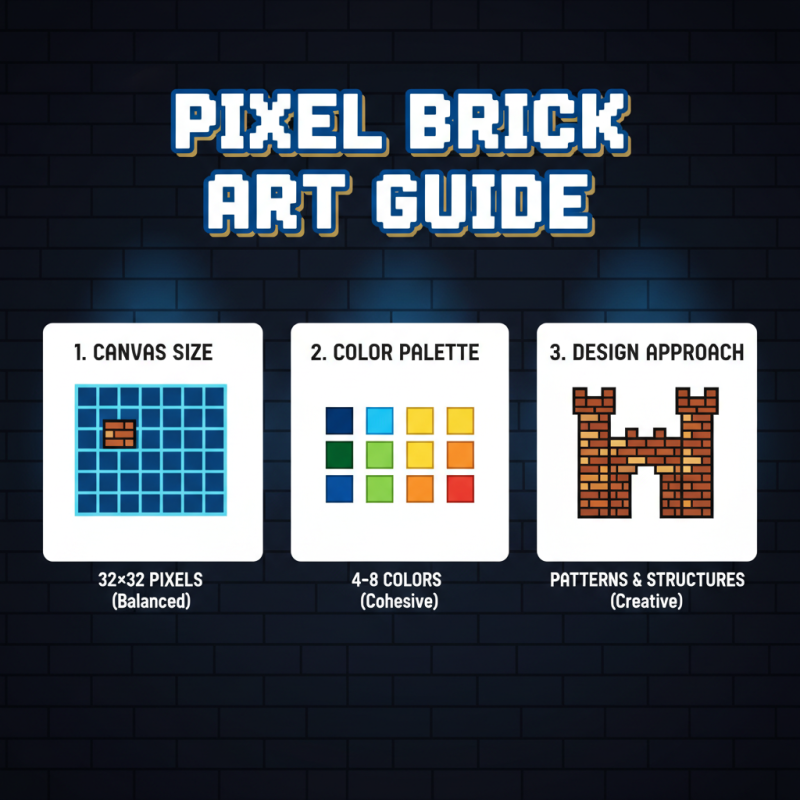
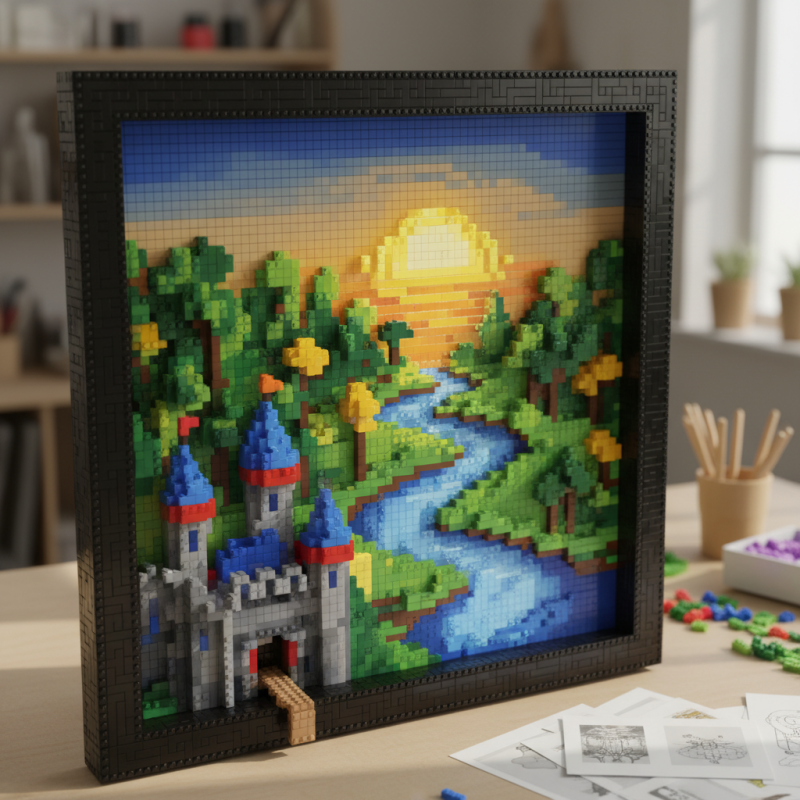
Pixel art bricks represent a unique way to create art using a grid-based system. Each "brick" is a pixel, typically in a defined size. As you select your color palette, you can build images that evoke nostalgia and charm. The basic structure consists of squares that come together to form your design. You can play with shadows and highlights to add depth.
When starting, pick a simple shape. Maybe a heart or a star. Gradually add details to make your design stand out. Don't stress about perfection. Sometimes, the imperfection adds character. It invites the viewer to reflect. Experiment with different color combinations. This will give your bricks life and vibrancy.
Use software or even graph paper for your designs. Make mistakes; learn from them. Every artist has a creative block at times. When this happens, step back and take a break. Inspiration can strike when you least expect it. Be patient with yourself. Pixel art bricks challenge your skills, but they also offer a platform for innovation.
The History and Evolution of Pixel Art in Game Design
Pixel art has a rich history in game design, tracing back to the early days of video gaming. In those times, technology limited graphic capabilities. Developers used small pixel grids to represent characters and environments. Each pixel was a deliberate choice. Every detail mattered. This limitation sparked creativity, leading to iconic designs. Colors were vibrant yet constrained. Players remember these charming graphics fondly.
As technology advanced, pixel art evolved. The rise of 16-bit and 32-bit systems introduced more colors and complexity. Yet, many developers chose to stick with pixel styles. Nostalgia played a significant role here. Games with pixel art evoked memories of childhood. Studios embraced this style for modern games too. However, some artists struggle to balance complexity and simplicity. It’s not always easy to replicate the charm of earlier works. Finding that sweet spot remains a challenge, but it’s a captivating pursuit for many.
The evolution didn’t stop there. Pixel art now spans various genres. From platforms to RPGs, it lingers in gaming culture. Today, it stands as both an art form and a nod to history. Some designs still fail to resonate with audiences. However, those who master pixel art create truly stunning pieces. Each design invites reflection on the journey from the past to the present.
Essential Tools and Software for Creating Pixel Art Bricks
Creating pixel art bricks can be an engaging and rewarding experience. To dive into this creative world, understanding the essential tools and software is critical. Many artists rely on dedicated software that offers unique features specifically designed for pixel art. Programs like Aseprite and Pixie are popular among creators for their user-friendly interfaces.
According to recent industry reports, 72% of pixel artists prefer tools that provide customizable palettes. This flexibility allows for more vibrant designs.
Incorporating textures and shading is vital in pixel art. Use software that supports layering. This feature enhances depth and realism in your designs. Artists often face challenges when it comes to color selection. It's common to create color palettes that clash or lack balance. A tip: start with a limited palette. This method simplifies the design process while encouraging creativity.
Another important aspect is the resolution of your artwork. Resolutions can impact the final output significantly. A lower resolution may appear less detailed, while a higher resolution requires more meticulous work. Many new designers struggle with this balance. A good approach is to experiment with various resolutions. Play around to find what works best for your style and purpose.
Tips and Techniques for Perfecting Your Pixel Art Design Skills
Pixel art is a creative form that captivates many artists. Each piece requires careful attention to detail and color. To create stunning designs, focus on pixel placement. Start with simple shapes and gradually build complexity. Choosing a limited color palette can enhance your designs. This restriction often sparks creativity, forcing you to think carefully.
Practice is essential. Spend time experimenting with different techniques. Sometimes, the results will disappoint you. Don’t hesitate to revisit and refine your work. Observe other pixel artists. Analyze what makes their designs appealing. Emulate some techniques and modify them for your style. Imperfection can be beautiful in pixel art; embrace it. Sometimes, flaws can lead to unexpected creativity.
Texturing your design adds depth. Small variations in color can make a big difference. Shadows and highlights enhance three-dimensionality. However, be cautious. Overusing these techniques may clutter your design. Balance is key. Take breaks to gain perspective on your work. Stepping away often helps clarify your vision. Keep pushing your boundaries while remaining open to trial and error.