How to Use Lego Building Blocks to Enhance Creativity and Learning?
Lego Building Blocks have long been recognized as powerful tools for enhancing creativity and learning. Renowned play expert Dr. Emily Johnson believes, "Lego bricks are more than just toys; they are pathways to innovation." This statement encapsulates the potential of Lego Building Blocks in educational settings.
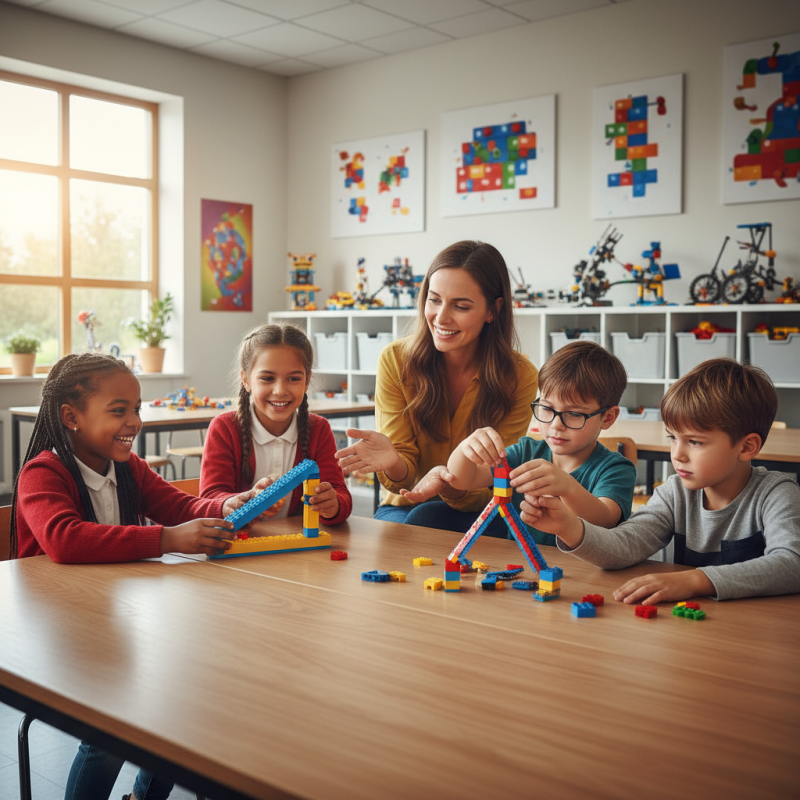
When children engage with Lego, they experience hands-on learning. They can build structures that reflect their ideas. However, sometimes the designs may not work as expected. This trial and error fosters problem-solving skills. Creativity blossoms through constructing and reconstructing with Lego.
Yet, not all experiences will be perfect. Children might feel frustrated when a project fails. But such challenges are essential. They promote resilience and critical thinking. With Lego Building Blocks, learning is not just about the final product. It's about the journey of exploration and imagination.
Benefits of Using Lego for Creativity and Learning
Using building blocks can greatly enhance creativity and learning. These colorful pieces inspire imagination. They encourage both structured and free play. Children can build anything they dream up, from castles to vehicles. This freedom fosters creative thinking.
Building with blocks also supports problem-solving skills. Kids face challenges when structures fall or do not fit together. They learn to experiment and try again. This can be frustrating, yet it teaches resilience. It’s okay to make mistakes; they lead to learning.
Engaging with blocks can promote collaboration. Children often work together, sharing ideas and strategies. Communication skills improve as they discuss their designs. They learn valuable social skills through teamwork. Yet, not every group project goes smoothly, and conflict may arise. Navigating these situations encourages personal growth and understanding.
How to Use Lego Building Blocks to Enhance Creativity and Learning? - Benefits of Using Lego for Creativity and Learning
| Dimension |
Description |
Benefits |
| Creativity |
Lego encourages open-ended play where users can design and build anything they imagine. |
Enhances innovative thinking and problem-solving skills. |
| Collaboration |
Building projects with others fosters teamwork and communication. |
Improves social skills and the ability to work effectively in a group. |
| Fine Motor Skills |
Manipulating small bricks aids in the development of hand-eye coordination. |
Strengthens dexterity that is essential for other activities like writing. |
| STEM Learning |
Lego can be used to teach concepts of science, technology, engineering and math through hands-on activities. |
Encourages critical thinking and application of knowledge in real-world situations. |
| Confidence |
Completing a project boosts self-esteem and reinforces the value of perseverance. |
Helps children and adults believe in their abilities and fosters a growth mindset. |
Exploring the Role of Play in Cognitive Development
Play is essential for cognitive development in children. Engaging in creative activities like building with blocks fosters problem-solving skills. When children manipulate these colorful pieces, they learn about shapes, sizes, and balance. They experiment and sometimes encounter failures. Each toppled structure provides valuable lessons.
Interactions during playtime also enhance social skills. Kids negotiate and collaborate while building together. They express ideas, learn patience, and navigate disagreements. It’s not always smooth. Frustration can arise when plans go awry. Yet, these moments drive reflection and encourage resilience.
Blocks stimulate the imagination. Children can create anything from castles to vehicles. This freedom allows them to build their own narratives. However, some may struggle with confidence. They might doubt their creations. This is an opportunity for growth. Encouraging persistence helps in developing a stronger sense of self.
Creative Projects and Challenges to Inspire Learning
Using Lego building blocks can significantly enhance creativity and learning in children. By engaging in creative projects and challenges, kids learn to think critically and solve problems. They can build anything from simple structures to complex designs. This hands-on approach makes learning fun and interactive.
One great project is the "Create Your Own Invention" challenge. Kids can imagine an invention that helps solve a problem. They should sketch it first and then build it using Legos. This process encourages inventiveness and practical thinking.
Tips for this challenge include keeping the design simple and focusing on functionality over aesthetics. It's okay if the result is imperfect. It’s about the journey of creating and thinking.
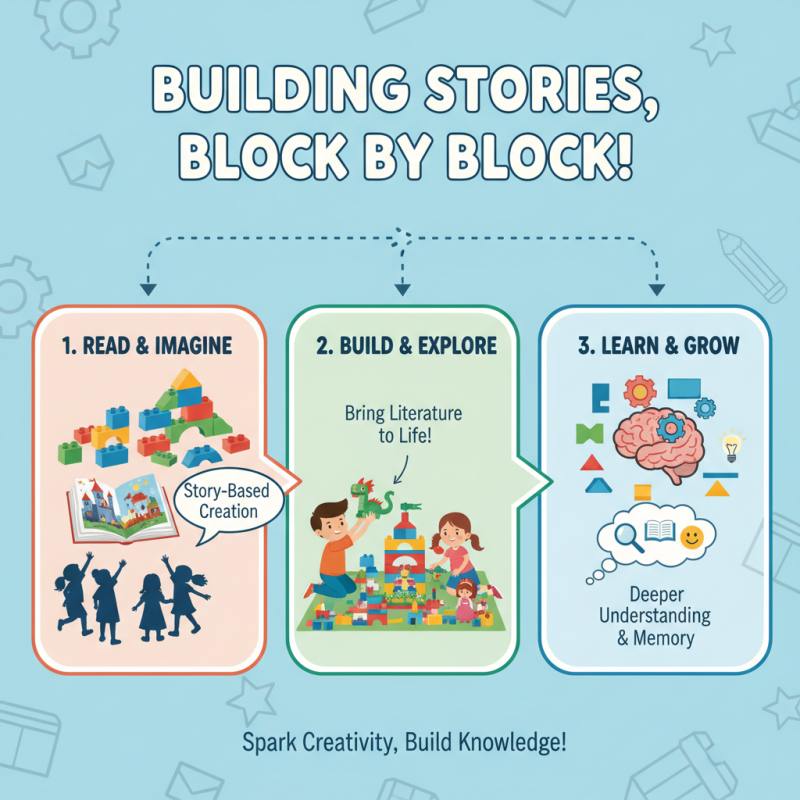
Another engaging challenge is the "Storytelling Through Lego" activity. Kids can build scenes from their favorite stories or even create new tales.
This activity fosters imagination and narrative skills. They can voice their story while showing their Lego creations. A useful tip here is to encourage them to incorporate unexpected elements.
Sometimes, the best ideas come from mistakes or surprises during the building process. Embracing imperfections can lead to unique, creative outcomes.
Building a Community: Facilitating Collaboration with Lego
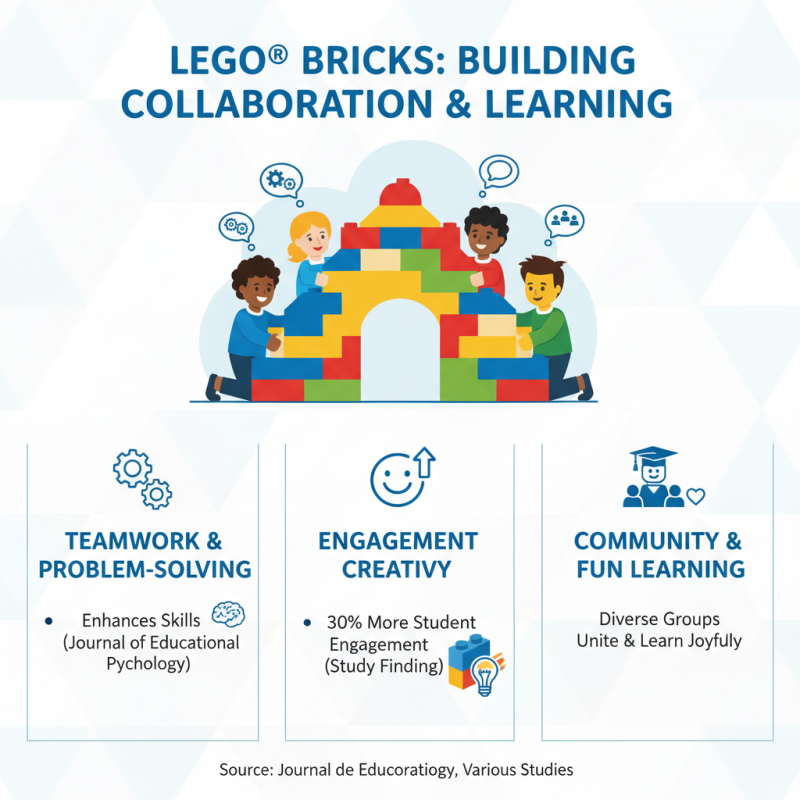
Building a community with Lego promotes collaboration among diverse groups. Research shows that teamwork enhances problem-solving skills. A study from the Journal of Educational Psychology found that collaborative learning boosts student engagement by 30%. This engaging method encourages creativity while making learning fun.
Using Lego blocks in community settings allows for hands-on experiences. Participants can express ideas visually. For instance, a group may create a model to represent a shared vision. Each block represents a piece of their story. However, sometimes, not everyone’s ideas align perfectly. This can lead to frustration or conflicts. It's essential to navigate these moments thoughtfully.
Encouraging open communication is vital. Regular discussions can mitigate misunderstandings and promote inclusivity. A report from the World Economic Forum highlighted that inclusive teamwork can increase innovation by 20%. Yet, it’s crucial to allow room for mistakes. Experimenting with different building techniques can spur new ideas, even if they don't always work out as planned.